
Signs the sewer line is leaking or blocked
One slow drain is usually local. A pattern across the house points to the main line.
Gurgling from drains
Air pushed back by a blockage makes bubbling sounds in a toilet or tub when another fixture drains.
Sewer odor indoors or outside
A steady rotten smell near a cleanout, a floor drain or part of the yard suggests a leaking joint or break.
Several drains slow at once
If the toilet, shower and washer all drain poorly, the problem is likely downstream of all of them.
Drain backs up into the tub or washer
Water from the washer appearing in the tub is a classic sign of a blocked main line.
Wet, sunken or unusually green ground
Leaking sewage can soften soil and feed grass. A dip in the ground may mean the soil has washed into the pipe.
Roots or repeated clogs
A line that clogs every few weeks often has roots, a belly or a cracked section.
Who handles sewer service around Marana
Marana Water Reclamation serves Saguaro Bloom and North Marana. Continental Reserve, Hartman Vistas and the Cortaro area are served by Pima County Regional Wastewater Reclamation, which you can reach at (520) 724-6609. If you are in one of those neighborhoods, that is the number to call when the public main appears to be the problem.
The Town states that it is responsible for sewer mains in Town rights of way and easements. The homeowner maintains the private lateral from the house to the public main, so a clog or break on that stretch is your repair. A camera can show which side of the property line the trouble sits on.
In Picture Rocks, confirm whether your property is on public sewer or a septic system before you plan anything. Our Picture Rocks plumber page explains how service works there, and Pima County's onsite wastewater program regulates septic systems.
How a plumber finds the problem
Good detection starts with the least invasive method and narrows from there.
- 1
Interview and quick tests
The plumber asks which fixtures are affected and when, then runs water at several points to see how the line responds.
- 2
Camera inspection
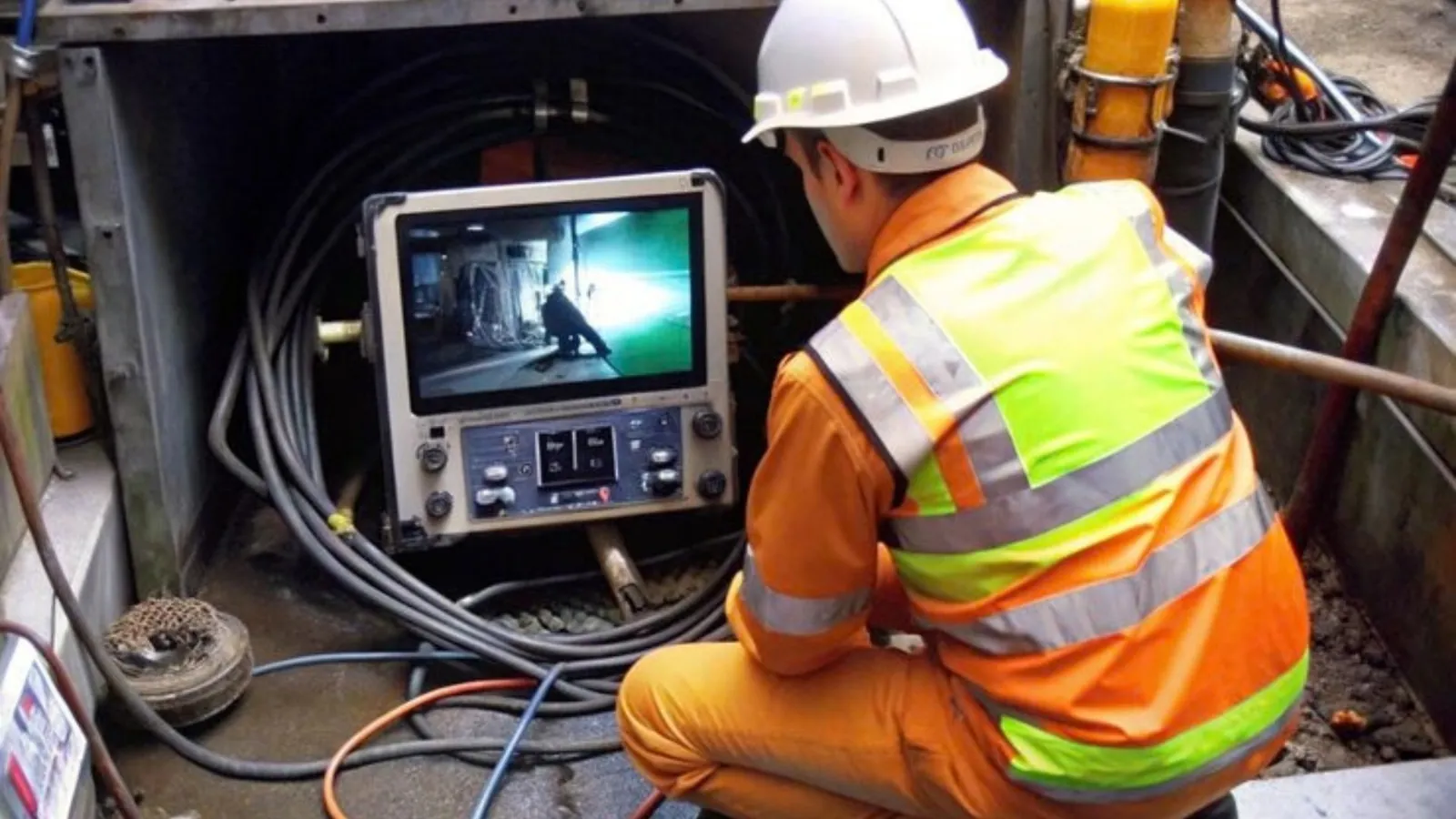
A small waterproof camera on a flexible cable goes in through a cleanout. It shows cracks, roots, offsets, sags and debris on a monitor.
- 3
Locating the problem
A transmitter in the camera head sends a signal that a handheld receiver picks up above ground. The plumber marks the spot and the depth.
- 4
Flow or pressure style tests
For suspected leaks, the line may be filled with water or tested to see whether the level drops. The exact method depends on access.
- 5
A written finding
You should get a plain description of the problem, its location and the repair options, along with a price before work starts.
Who is responsible for which part of the sewer
Ownership decides who you call and who pays. The rule is simple, but the details depend on your address.
| Section of pipe | Usually maintained by | What to do |
|---|---|---|
| Drains inside the house | Homeowner | Call a plumber |
| Private lateral from house to the public main | Homeowner | Call a plumber, use a camera to confirm |
| Public sewer main in a Town right of way or easement | Town of Marana or the serving utility | Report to the right utility |
| Mains in areas served by Pima County | Pima County Regional Wastewater Reclamation | Contact the County department |
| Septic tank and drain field | Property owner | Confirm septic and call a specialist |
If you are unsure which applies, a camera inspection can show whether the problem is on your side. That is often the quickest way to know who should respond.
Camera and locating are not the same thing
A camera shows what the inside of the pipe looks like. A locator shows where that camera is underground. You usually need both before anyone digs. Our sewer camera inspection page explains what you should see in the report.
If the inspection finds a break, a belly or heavy root damage, the next step is a repair plan. Our sewer line repair page covers the options, from spot repairs to replacement.
What to have ready before the visit
A few notes help the plumber find the problem faster.
- A list of which drains are slow, gurgling or backing up.
- The location of the cleanout, if you know where it is.
- When the problem started and whether it has happened before.
- Any recent landscaping, tree work or digging near the line.
- Whether the house is on public sewer or a septic system.
- Photos of any wet spots, sinkholes or odors in the yard.
Monsoon runoff and your sewer line
Heavy summer rain can saturate soil and make a leaking sewer line harder to distinguish from a surface runoff problem. Sewage smell in a wet spot is a strong clue, but a camera is the sure test.
Never direct storm runoff into a sewer cleanout, and keep the cleanout cap secure. Water that enters the sewer from outside adds load to the line and can cause backups. If a heavy storm is followed by a backup, mention it when you call. Any repair that follows detection is plumbing work under the 2024 International Plumbing Code (IPC) the Town of Marana has adopted, so keep the camera recording to show the inspector and to compare quotes.
When to call a plumber and when to call the utility
The answer depends on where the problem is.
| Situation | First call |
|---|---|
| Only one fixture is slow | A plumber, or try a simple clear first |
| Several fixtures back up | A plumber, since it is likely your lateral |
| Sewage in the street or at a manhole | The serving utility |
| Sewer odor outside near the main | The serving utility |
| Wet spot in the yard with sewage smell | A plumber, then the utility if the main is at fault |
Frequently asked questions
If the trouble is between the house and the public main, it is yours. A camera inspection can show where the problem sits. Sewage at a manhole or in the street is usually the utility's concern.
Often yes. A camera and locator can pinpoint a break, and the plumber marks the surface before any excavation. Some cases still need a pressure or flow test to confirm.
That usually means the main line is blocked. Wastewater has nowhere to go, so it rises at the lowest open drain in the house. Stop using water and call for help.
Roots enter through small cracks and joints, then grow and widen the gap. Desert trees and shrubs near the line can contribute. A camera inspection shows how severe the intrusion is.
It can add load or soak the soil around a damaged line. If a backup follows a storm, tell the plumber, and keep the cleanout cap tight.
No. It can also come from a dry trap, a vent or a septic tank. But a persistent odor with a wet spot calls for a camera inspection.